Problem: A tiny, cheap part fails. Agitate: This failure causes catastrophic damage1 and massive downtime. Solution: Understanding why and choosing the right clamp prevents this from happening to you.
The true cost isn't the clamp's price, but the millions in equipment damage, lost production, and safety hazards2 it can cause. A single clamp failure can trigger a chain reaction, leading to a catastrophic event like a fire or total system breakdown.
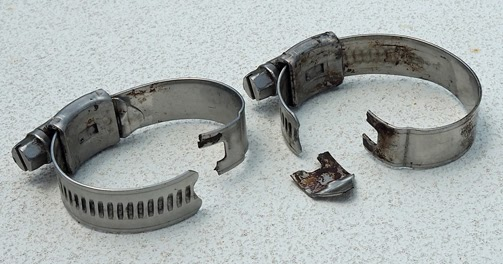
This isn't just a hypothetical scenario. A story I heard from an industry contact still gives me chills. It perfectly shows how a component that costs less than a dollar can lead to a multi-million dollar disaster. We often overlook the smallest parts, but they can carry the biggest risks. Let's break down exactly how such a small part can cause such a huge problem, and more importantly, how you can prevent it.
How Can a Simple Clamp Cause a Million-Dollar Fire?
You might think a clamp is just a clamp. But putting the wrong one in the wrong place can lead to equipment fires and total loss. Let me share a real story.
A clamp failing from vibration, heat, and corrosion can let a high-pressure hose touch a hot surface. This friction causes a rupture, spraying flammable fluid onto an ignition source. This results in a devastating fire and complete equipment loss.
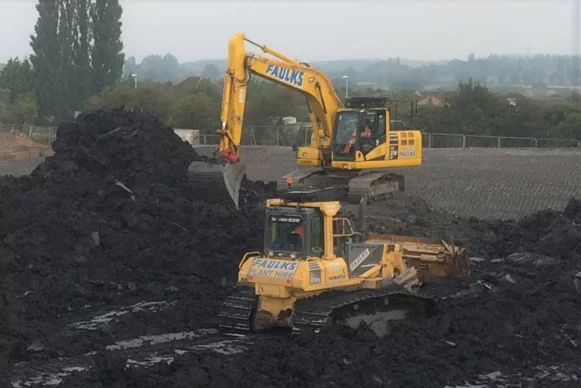
Based on an incident report I reviewed, a story from a remote mine in Australia paints a vivid picture. A large excavator was operating at night. Suddenly, the operator smelled burning rubber. The fire spread so fast that even though he escaped safely, the entire cab was destroyed. The engine bay was severely damaged, and the entire machine, worth over a million dollars, was a total loss.
Investigators traced the fire to a ruptured hydraulic hose under the turbocharger. The root cause? The hose clamp holding it in place.
The Chain of Events
The investigation revealed a devastating sequence. The clamp had been exposed to constant high heat and engine vibration. The mine's high-salinity air also caused severe corrosion. Over time, these factors caused the clamp to loosen its grip. The unsupported hose began to sag. It made contact with the turbocharger housing, which operates at temperatures over 1000°C. The constant rubbing wore down the hose wall until it burst under high pressure. Hydraulic oil, which can self-ignite at around 400-450°C, sprayed directly onto the red-hot turbo. It ignited instantly.
The financial fallout was staggering, showing the massive gap between the component cost and the failure cost.
| Item | Consequential Cost |
|---|---|
| The Failed Hose Clamp | ~$1 |
| Replacement Excavator | >$1,000,000 |
| Lost Production (Downtime) | >$500,000 |
| Cleanup & Investigation | >$50,000 |
| Total Cost of Failure | ~$1,550,001+ |
This real-world example shows that the cost of a hose clamp is not its price tag. The real cost is the potential for disaster when it fails.
What Factors Should You Consider to Prevent Clamp Failure?
You might be choosing clamps based only on size and price. This overlooks critical factors that lead to failure, putting your entire operation at risk. Here are the key factors to consider.
To prevent failure, you must consider the material, temperature resistance3, vibration levels4, and system pressure. Matching the clamp's specifications to its specific application environment is absolutely critical for reliability and safety. It's the only way to ensure performance.
As a manufacturer with 16 years of experience, I've seen firsthand what works and what doesn't in demanding environments. Our customers in the Middle East, South Africa, and South America operate machinery in extreme heat, dust, and sometimes corrosive coastal air. Their feedback has been crucial. To avoid a disaster like the one at the Australian mine, you must go beyond just diameter and look at the application's specific demands.
A Checklist for Choosing the Right Clamp
-
Material and Corrosion: The Australian mine was in a high-salinity environment. A standard zinc-plated steel clamp was destined to fail from rust. For any environment with moisture, salt, or chemicals, you must use stainless steel. 304 Stainless Steel is a great all-around choice. For extreme conditions like marine or coastal areas, 316 Stainless Steel offers superior corrosion resistance. Choosing the wrong material is like building on a weak foundation.
-
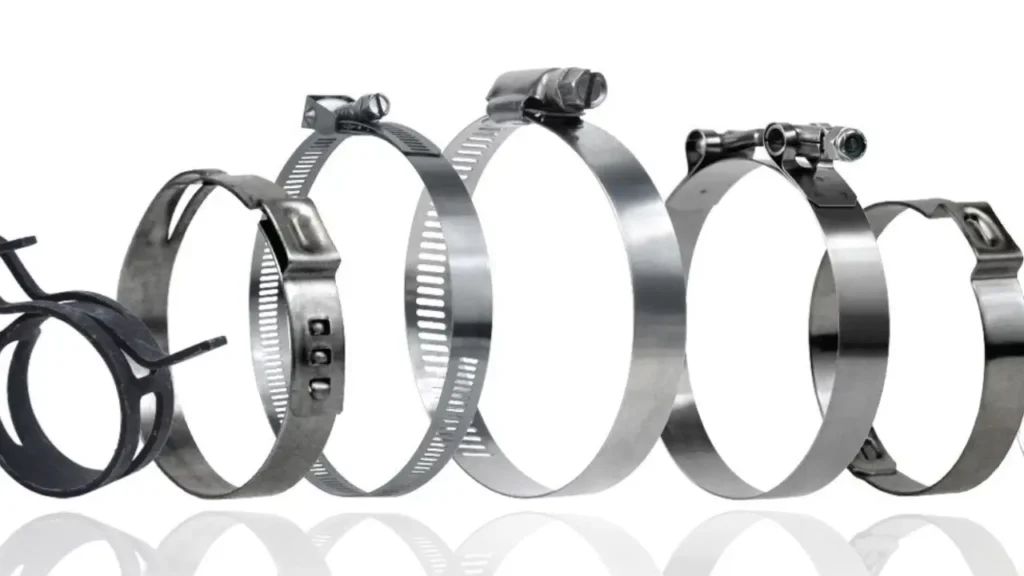
Temperature: Engines and exhaust systems create extreme heat. Metal expands when heated and contracts when cooled. A standard worm-gear clamp can lose its tension during these cycles, leading to leaks or loosening. For these applications, you need something better. Constant Tension Clamps, which have a spring mechanism, automatically adjust to maintain consistent pressure as temperatures change.
-
Vibration: Heavy machinery, by its nature, vibrates. This constant shaking can cause a standard clamp's screw to slowly back out and loosen. In the mine fire example, vibration was a key contributor. For high-vibration applications, you need a heavy-duty solution. T-Bolt Clamps or other Strong Clamps provide a much more secure, robust connection that resists loosening under constant shaking.
-
Pressure: Hydraulic and forced induction systems operate under high pressure. A weak clamp simply can't provide the uniform, 360-degree sealing force needed. This can lead to the hose blowing right off the fitting. T-Bolt Clamps are excellent for high-pressure situations because their design provides superior and more evenly distributed clamping force.
| Factor | Standard Worm-Gear | Heavy-Duty T-Bolt | Constant Tension |
|---|---|---|---|
| Vibration Resistance | Low | High | Medium-High |
| Temperature Fluctuation | Poor | Good | Excellent |
| High Pressure | Fair | Excellent | Good |
| Corrosion Resistance | Varies (Low-High) | Varies (High) | Varies (High) |
| Best For | General, low-pressure | High-pressure, vibration | Engine/cooling systems |
Thinking through these four factors for every connection point is a simple step that can save you from enormous headaches and costs down the road.
How Does Sourcing Reliable Clamps Impact Your Business's Bottom Line?
Sourcing the cheapest clamps seems like a good way to cut costs. But frequent replacements, downtime, and disaster risk actually increase your total costs. A reliable supplier protects your long-term profit.
Sourcing reliable clamps directly impacts your bottom line by reducing maintenance costs, minimizing expensive unplanned downtime, and preventing catastrophic equipment loss. A stable supply of high-quality clamps ensures operational continuity, protects your assets, and builds a reputation for reliability.
As a factory owner, I think about this every day. We don't just sell a product; we provide a component that our customers—wholesalers, retailers, and even auto manufacturers—depend on. The stability of their business is linked to the quality of ours.
The Business Case for Quality Sourcing
Thinking about the "cheapest" option is a trap. You should instead focus on the Total Cost of Ownership5 (TCO). A quality clamp might cost a few cents more, but it saves you money in several ways. It lasts longer, so you buy fewer replacements. It performs reliably, so your team spends less time on maintenance and repairs. Most importantly, it prevents the massive costs associated with failure. A $1 clamp that prevents a $1 million fire has an incredible return on investment.
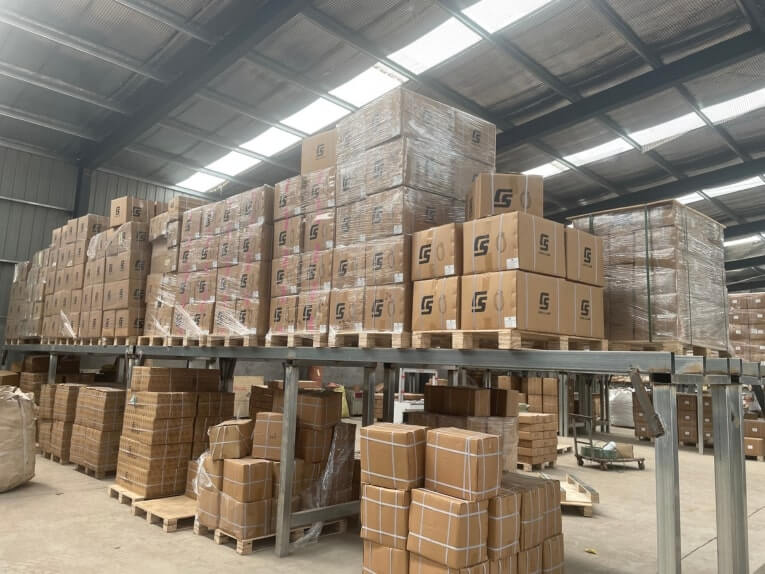
For our wholesale and retail partners, a reliable supply chain is everything. With our factory's capacity of over 5 million clamps per month, we ensure you have the stock you need when you need it. You can confidently supply your customers without delays, which builds trust and encourages high repurchase rates. Your reputation is built on the quality of the products you sell. When you provide a clamp that holds, you become a trusted partner.
For our industrial customers, like auto manufacturers, a stable supply is even more critical. A production line shutdown because of a stockout on a tiny component can cost thousands of dollars per minute. Partnering with a proven, high-capacity manufacturer like us eliminates that risk. We have 16 years of experience exporting to demanding markets worldwide, so we understand what it takes to deliver quality and consistency.
Conclusion
The small cost of a quality hose clamp is an investment. This investment prevents enormous losses, ensures safety, and secures the long-term profitability and reliability of your operations.
Exploring the consequences of catastrophic damage can highlight the importance of quality components in preventing disasters. ↩
Understanding safety hazards can help you implement measures to protect your workforce and assets. ↩
Discovering materials with high temperature resistance can lead to better performance and longevity of clamps. ↩
Understanding the effects of vibration on machinery can help in selecting the right components to enhance reliability. ↩
Understanding TCO can help you make informed decisions that save money and improve operational efficiency. ↩