You think a hose clamp is just for holding a pipe? This common mistake puts expensive equipment at risk and creates serious safety hazards that are completely avoidable.
A hose clamp is a critical safety device used to secure hoses and prevent failures. Its main jobs are to restrain hose movement, separate multiple lines to stop abrasion, and absorb damaging vibrations, protecting the entire system from leaks, bursts, and catastrophic failure.
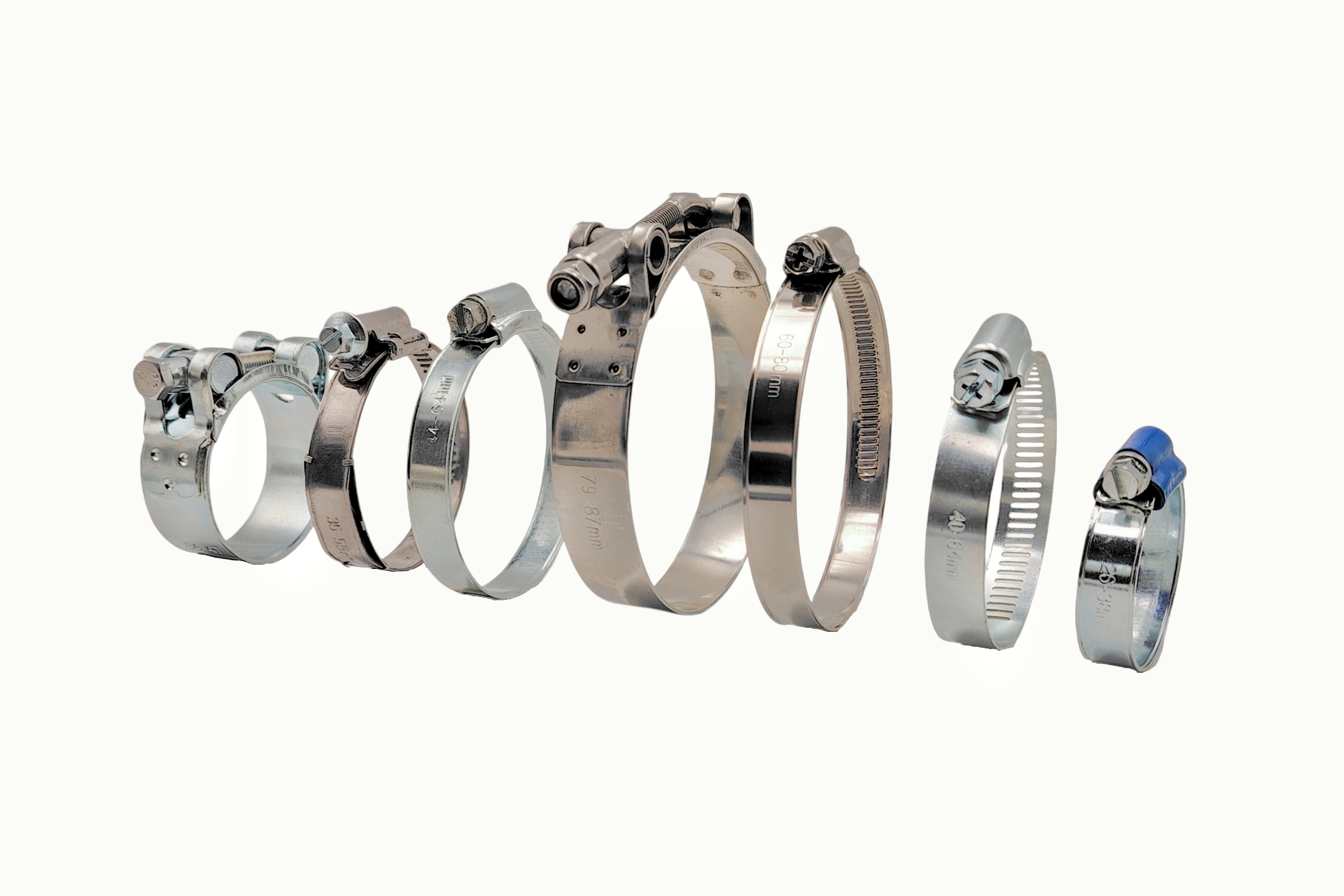
I’ve been in the hose clamp business for over 16 years, and I’ve learned a hard lesson from visiting customer sites. The real job of a hose clamp isn’t just to “fix” something in place; its real job is to “protect” the entire system. It’s a small part that plays a huge role in maintaining order and safety. Let’s dive into what that really means.
How do hose clamps prevent catastrophic system failures?
Your high-pressure system vibrates and pulses constantly. An unsecured hose can whip around, wear out, and burst, spraying dangerous fluid and causing severe damage. A simple clamp stops this.
A hose clamp prevents these failures by holding the hose firmly against a solid structure. This stops the hose from moving, rubbing, and vibrating too much. This simple action prevents the hose cover from wearing away, which is a top cause of hose bursts and dangerous “hose whip” accidents.
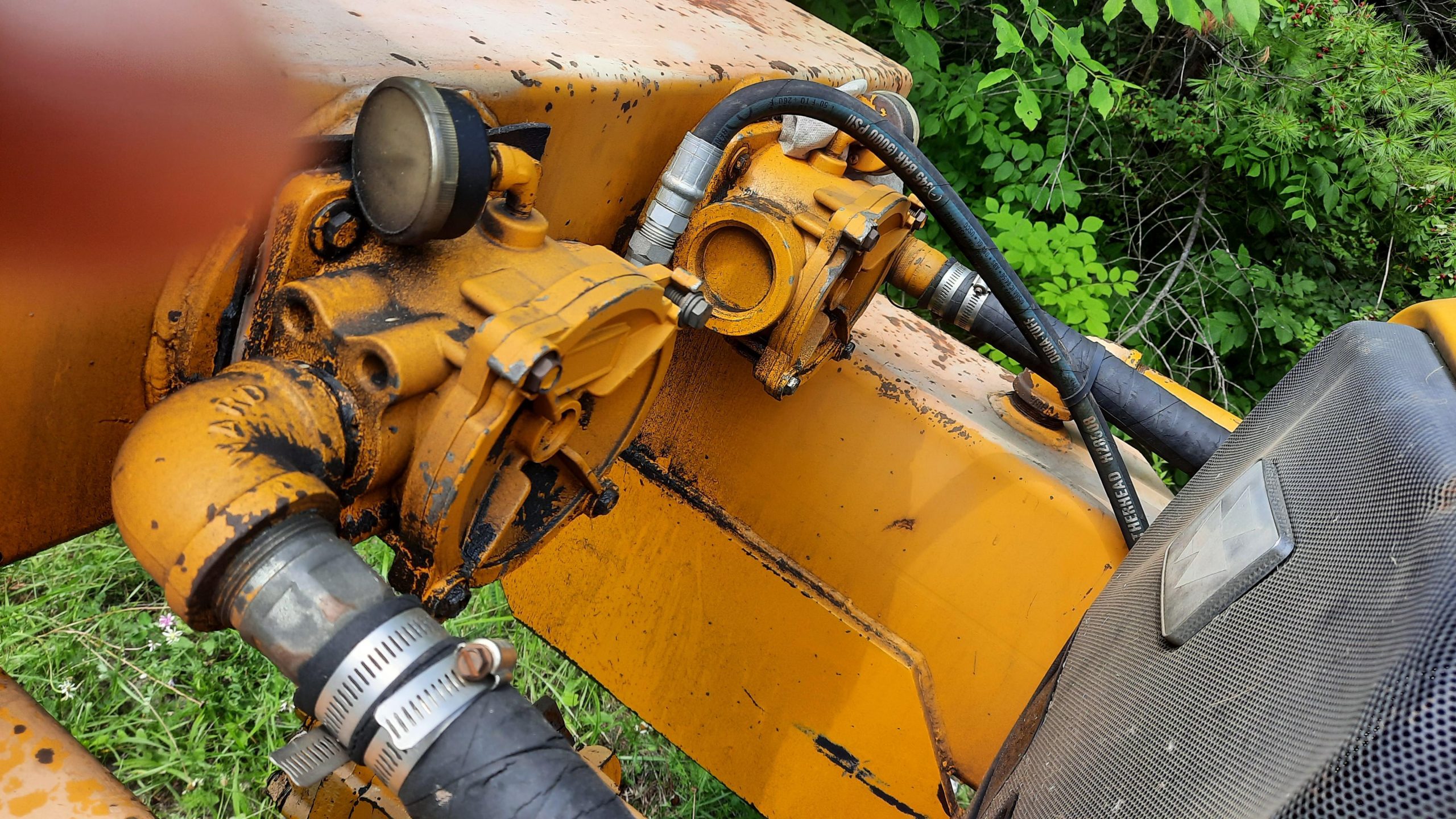
Based on my experience, I often tell my clients to think of hose clamps as the traffic police for a hydraulic system. Without them, it’s chaos. I once saw the aftermath of a failure on a large piece of construction equipment. A high-pressure hose, which wasn’t clamped down, was vibrating against the machine’s frame. Over just a few days, the vibration rubbed through the outer rubber layer and then the steel wire reinforcement. Suddenly, high-pressure oil burst out. The hose whipped around violently, damaging other components and shutting down the entire machine. This is what we call “hose whip,” and it’s incredibly dangerous. A few well-placed clamps could have prevented the entire incident. The clamp’s mission is to manage the hose, absorb energy, and keep everything in its place, just like a traffic cop directing cars to prevent a pile-up.
| Feature | System WITHOUT Proper Clamps | System WITH Proper Clamps |
|---|---|---|
| Hose Movement | Uncontrolled, chaotic whipping | Restrained and stable |
| Friction/Abrasion | High risk, constant wear on hose cover | Minimal, protected by the clamp |
| Vibration Impact | Transmitted directly to fittings and joints | Absorbed by the clamp’s lining |
| Failure Risk | High (leaks, bursts, “hose whip”) | Low, predictable service life |
| System Safety | Compromised, potential for injury | Maintained, reliable operation |
Why is separating hoses just as important as securing them?
You have secured your hoses, but are they tangled together? Hoses rubbing against each other can cause the same wear and failure as rubbing against the machine, creating multiple problems.
Separating hoses is critical because direct hose-to-hose contact creates friction. As hoses vibrate, expand, and contract with pressure changes, they rub against one another. This wears down their protective outer covers. Using clamps to route each line properly maintains a safe distance and stops this premature failure.
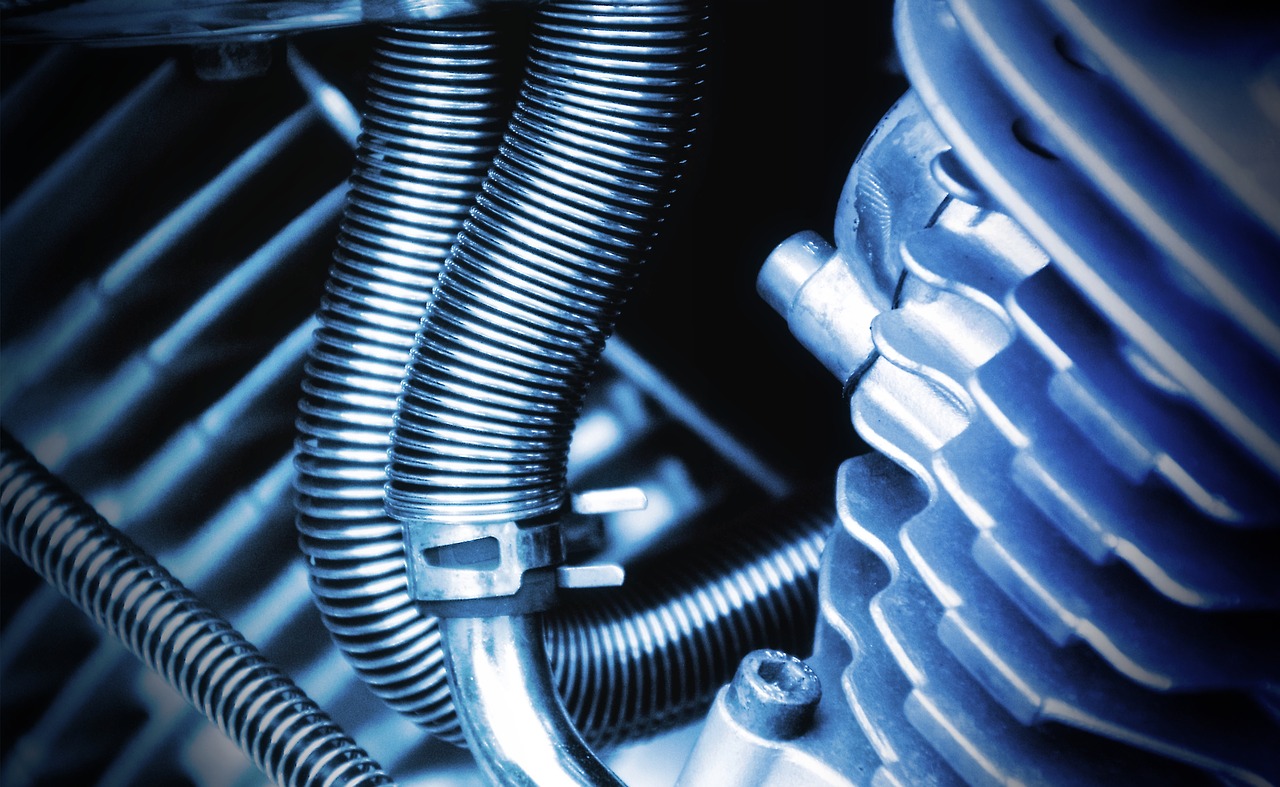
When we design a system, we think about how the hoses will interact. If you just bundle them all together, you create a new problem. The hoses will rub against each other, and this “inter-hose abrasion” is just as destructive as rubbing against a sharp metal edge. The pressure pulses make the hoses breathe—expanding and contracting—and this movement creates friction. I’ve seen two brand-new hoses fail within a week because they were zip-tied together too tightly. A much better solution is to use multi-line clamps or individual clamps to give each hose its own path. This not only prevents wear but also makes the whole system look more professional and easier to service. When a leak does happen, you can easily find and replace the damaged hose without having to untangle a huge mess. It’s about creating order from potential chaos.
| Aspect | Poor Routing (Tangled Hoses) | Proper Routing (Separated Hoses) |
|---|---|---|
| Abrasion Risk | High, multiple contact points | Very low, no hose-on-hose contact |
| Heat Dissipation | Poor, heat is trapped in the bundle | Good, air can circulate around each hose |
| Maintenance | Difficult, hard to trace or replace one line | Easy, clear access to each component |
| System Diagnosis | Confusing, hard to find the source of a leak | Simple, leaks are easily located |
| Professionalism | Looks amateur and unsafe | Looks professional and well-engineered |
Can a simple clamp really protect expensive fittings and components?
The connections and fittings on your hoses are often the weak points. Constant vibration from the engine or pump can loosen these connections or cause stress fractures, leading to annoying leaks.
Yes, a clamp with a rubber lining, like a P-Clip, acts as a shock absorber. It dampens the high-frequency vibrations that travel from the engine or pump along the hose. This protects the rigid metal fittings at the end from metal fatigue, stress fractures, and loosening over time.
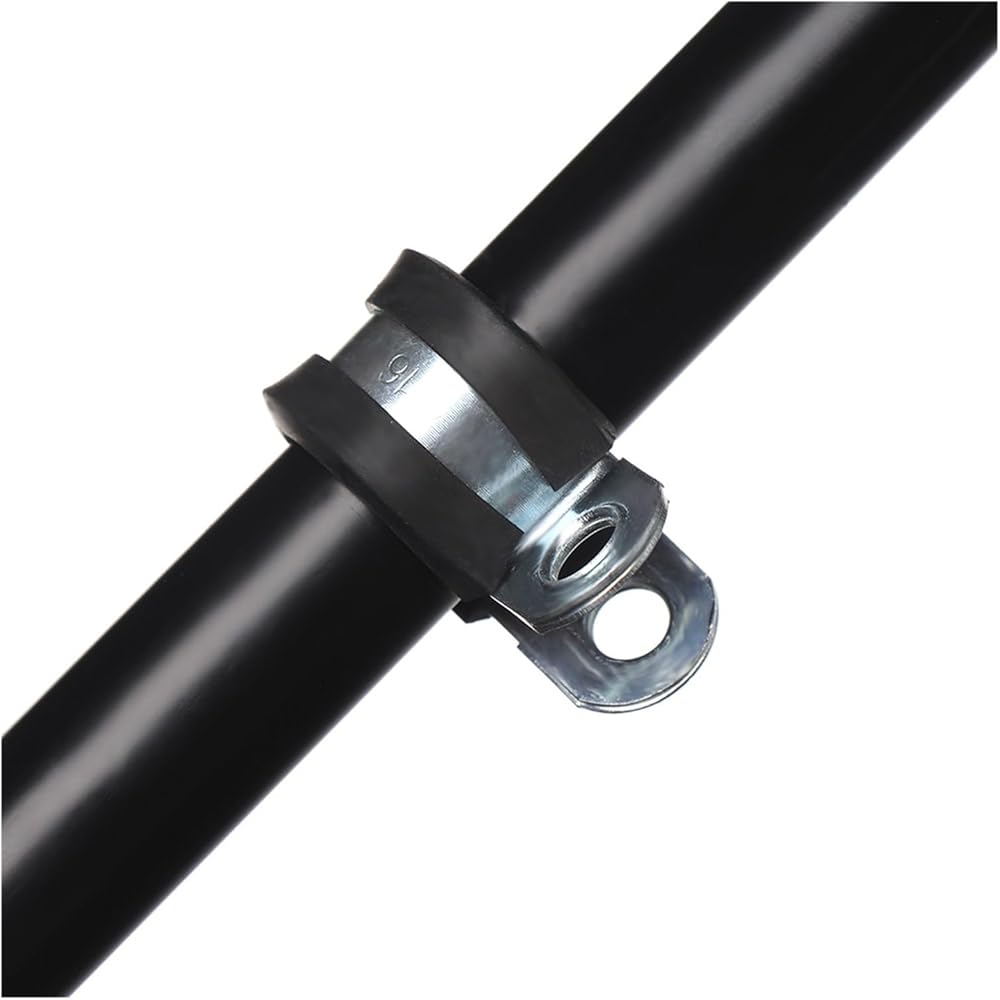
Vibration is just energy, and that energy has to go somewhere. In a hydraulic system, vibration travels from the pump or engine right down the length of the hose. If there is nothing to stop it, all that energy hits the weakest point: the metal fitting at the end of the hose. This constant shaking can cause the fitting to crack from metal fatigue or cause threaded connections to slowly back out and leak. A cushioned clamp, which has an EPDM rubber liner, acts like the suspension in your car. It absorbs that harmful vibration energy and turns it into a tiny amount of heat. This isolates the fitting from the source of the vibration. It’s a very small investment to protect an expensive hose assembly, and more importantly, the pump or valve it connects to. It makes the entire system quieter, more reliable, and last much longer.
| Component | Impact of Un-dampened Vibration | Impact with Cushioned Clamps |
|---|---|---|
| Hose Fitting (Crimp) | High stress, risk of fatigue cracking | Stress is reduced, leading to longer life |
| Threaded Connector | Tendency to loosen over time, causing leaks | Stays tight, connection remains secure |
| Pump/Valve Port | Transmits vibration to expensive components | Vibration is isolated, protecting the component |
| System Noise | Increased rattling and operational noise | Reduced noise and quieter operation |
| Overall Lifespan | Shorter lifespan for hoses and fittings | Extended lifespan for the entire assembly |
Conclusion
A hose clamp is not just a fastener. It is a safety device that protects systems by restraining movement, separating lines, and absorbing vibration, ensuring order, safety, and reliability.